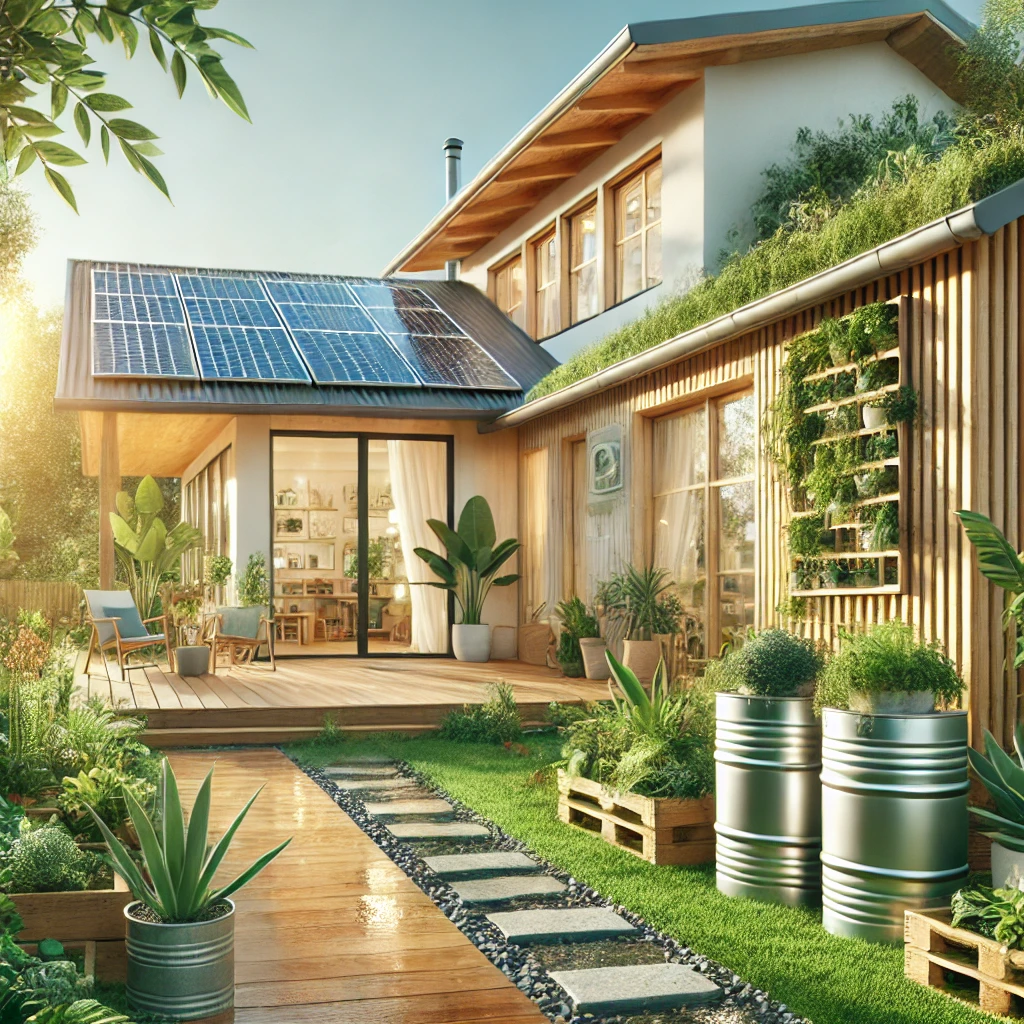
In today’s world, living sustainably is more important than ever. With the growing awareness of environmental issues and climate change, more homeowners are turning to eco-friendly home improvements to reduce their carbon footprint and create a more sustainable lifestyle. The good news is that going green doesn’t have to be complicated or expensive. In fact, small, simple upgrades can make a big difference—not only for the planet but also for your home’s comfort and energy efficiency.
Whether you’re looking to save energy, reduce waste, or create a healthier living environment, here are some trending eco-friendly home improvements that are easy to implement and can transform your home into a more sustainable space.
1. Energy-Efficient Windows
Upgrading to energy-efficient windows is one of the best eco-friendly improvements you can make for your home. Old, drafty windows are one of the biggest sources of heat loss, which means your heating and cooling systems have to work harder, using more energy. Energy-efficient windows, like double- or triple-glazed models, can help keep your home’s temperature stable, reducing the need for heating and air conditioning.
Why it matters: By reducing the amount of energy your home uses for heating and cooling, you’re not only lowering your energy bills but also decreasing your carbon footprint.
2. Install a Smart Thermostat
Smart thermostats are an easy and effective way to make your home more energy-efficient. These devices allow you to control your home’s temperature remotely and set schedules that adjust the heating and cooling based on your lifestyle. For example, you can program your thermostat to lower the temperature when you’re away and warm up the house just before you return. Some smart thermostats even learn your preferences and automatically adjust the settings to save energy.
Why it matters: A smart thermostat reduces energy consumption by preventing unnecessary heating or cooling, leading to both environmental benefits and cost savings.
3. Switch to LED Lighting
Switching to LED lighting is one of the simplest eco-friendly upgrades you can make. LED bulbs use significantly less energy than traditional incandescent bulbs and last much longer, meaning fewer replacements and less waste. Plus, LED bulbs come in a variety of styles and color temperatures, so you can find the perfect lighting for every room in your home.
Why it matters: LED bulbs consume up to 80% less energy than traditional bulbs, making them a quick win for both your wallet and the environment.
4. Use Low-VOC Paint
When updating your home’s interior, opt for low-VOC (volatile organic compounds) or zero-VOC paints. Traditional paints release harmful chemicals into the air, contributing to indoor air pollution. Low-VOC paints are formulated to minimize these emissions, creating a healthier living environment for you and your family. They’re available in a wide range of colors and finishes, so you don’t have to compromise on style.
Why it matters: Low-VOC paints help improve indoor air quality and reduce the number of pollutants released into the environment.
5. Install Solar Panels
If you’re looking for a bigger eco-friendly improvement, installing solar panels is a fantastic long-term investment. Solar panels allow you to harness renewable energy from the sun, reducing your reliance on non-renewable energy sources like fossil fuels. While the initial installation cost can be high, solar panels can significantly lower your energy bills over time and may even qualify you for tax credits or rebates.
Why it matters: Solar panels provide a renewable source of energy that reduces your home’s carbon footprint and dependence on non-renewable resources.
6. Upgrade to Energy-Efficient Appliances
When it’s time to replace old appliances, opt for energy-efficient models that are certified by ENERGY STAR. These appliances use less energy to operate, whether it’s your refrigerator, dishwasher, washing machine, or dryer. Energy-efficient appliances also often come with water-saving features, reducing both energy and water waste in your home.
Why it matters: Energy-efficient appliances reduce energy consumption, lower utility bills, and minimize environmental impact by using less power and water.
7. Rainwater Harvesting
Water conservation is another essential aspect of sustainable living, and one of the best ways to reduce water waste is by installing a rainwater harvesting system. These systems collect rainwater from your roof and store it for later use in gardening, landscaping, or even cleaning. It’s an easy way to save water and make your home more eco-friendly, especially in areas prone to drought.
Why it matters: Rainwater harvesting reduces your reliance on municipal water sources, conserves water, and helps you maintain a more sustainable garden.
8. Use Sustainable Building Materials
If you’re planning a larger renovation or remodel, consider using sustainable building materials like bamboo, reclaimed wood, recycled metal, or natural stone. These materials have a lower environmental impact than traditional building materials and often come from renewable or recycled sources. Choosing eco-friendly materials helps reduce waste and energy consumption during the manufacturing process.
Why it matters: Sustainable materials lower your home’s environmental footprint and promote a healthier, more eco-conscious building industry.
Conclusion: Make Small Changes for a Greener Home
Eco-friendly home improvements don’t have to be difficult or expensive. In fact, many of the most impactful changes are simple and affordable. By making small upgrades like switching to LED lighting, installing energy-efficient windows, or using low-VOC paint, you can create a more sustainable home that’s better for the environment—and for you. Start with one or two of these improvements, and watch how your eco-friendly choices make a positive difference for the planet.